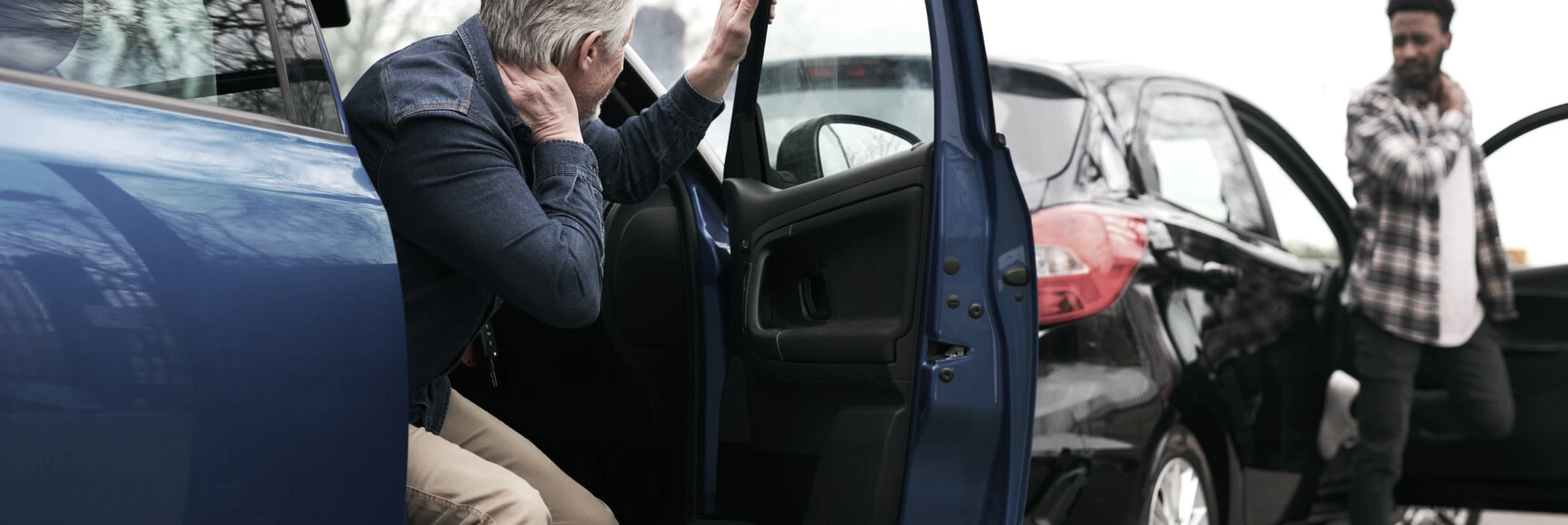
Quick Summary: What to Do After a Car Accident
- Stay safe first and check for injuries.
- Move away from traffic if you can, and call 911 when needed.
- Document the crash and get medical care right away.
- Think twice before giving a recorded statement or accepting an early settlement offer.
- Keep your records and other documents related to the accident.

Car accidents are scary. One minute you are just driving, and the next minute an accident may happen. You may not even know if you have been hurt. Your body is in shock and therefore you are running on pure adrenaline.
A few seconds later, the shock can wear off, and you can remember some important things. These will help you, no matter how big or small the damage is, whether it’s just a scratch or a big crash on the motorway.
Steps You Need to Do After a Car Crash
After a crash, focus on your safety first. Fault and other legal issues can be addressed later.
- Check for injuries: Check yourself and others. Do not move anyone with a possible neck injury. Call 911 for serious injuries.
- Move to a safe spot: If possible, move your vehicle away from traffic. If it cannot be moved, stay inside and wait for police or EMTs.
- Call 911: Report the crash, wait for police, provide the facts you remember, and request a copy of the police report when available.
- Swap info with other drivers: Collect driver’s name, contact information, driver’s license, insurance details, and license plate number. Get contact information from any witnesses as well
NHTSA’s motor vehicle safety information also provides useful information about crashes and vehicle safety.
Pay Attention to Injuries That May Not Be Obvious
It is very important to check in with yourself over the next few days. In some cases, a concussion-type injury will have no apparent symptoms right away. However, days later a person can have headaches and dizziness. You can learn more about concussion symptoms from the CDC.
When to Call 911 or Go to the ER
Right after a car crash, some injuries are so serious that you should get immediate medical help. Find out if you or others hurt in the crash need emergency help because of their injuries.
- Fainting, shortness of breath, worsening headache, vomiting frequently, and confusion.
- Seizure, weakness/numbness, trouble speaking, uncontrolled bleeding, trouble waking up, severe chest or stomach pain.
- Keep records of all of your medical visits, bills, and treatment.
Document the Accident Scene Before the Details Disappear
Once you know everyone’s safe, start gathering info while it’s still fresh. Things move fast after a crash, and details can slip away or get forgotten.
Get Your Phone Out and Start Documenting
Document and take photos of the following: positions of the cars, damage to all vehicles involved, license plates of all vehicles involved, tire marks, debris, and road conditions.
Take photos of traffic lights and signs, the weather and the visibility during that day, and nearby landmarks.
Also, take close-up as well as wide-angle photos of any damage to poles, guard rails, etc. If the cars were moved prior to your arrival, take note and make sure to document as best as possible.
Talk to Witnesses Before They Leave
People tend to disappear pretty quickly after an accident. So if someone saw what happened, get their name and number while they’re still around. Write down what they told you while it’s still fresh in your head too.
Don’t Forget About Digital Evidence
Save dashcam footage immediately, as some systems overwrite older recordings. Some newer vehicles also store crash data. If you used Uber or Lyft, screenshot the trip and driver details. Then, check nearby security cameras to see if they captured the crash.
Avoid These Common Mistakes After a Crash
Crashes are very stressful events in themselves and it is easy to miss a great number of points in the immediate aftermath. These points in turn can give rise to problems later on. In this section, we will highlight a few of the common errors you need to avoid.
Giving a Recorded Statement to the Other Driver’s Insurance
Be cautious about giving a recorded statement to the other driver’s insurer. Consider speaking with an attorney before doing so.
In addition, you may also be contacted by the other party’s insurance adjuster. They may ask for a recorded statement about the accident. Before giving one, it may help to understand more about dealing with insurance adjusters.
Stopping Medical Treatment Without a Plan
Take note to follow the given treatment plan by your doctor. If you just stop it without your doctor’s permission, this may be questioned for your injury and recovery. Follow your doctor’s treatment plan and communicate with your medical provider if you need to miss an appointment.
Posting About the Accident Online
Look, we all know social media is tempting. But posting about your crash or your recovery can backfire. Even a harmless picture of you smiling can be twisted to make it look like you’re not actually hurt.
It’s honestly just safer to keep things private while your claim is still open. You can post later when everything’s settled.
Accepting an Early Settlement Without Understanding the Full Scope of Your Losses
The insurance company might try to offer you money pretty quickly. It can be tempting to just take it and move on. But here’s the thing. You might not even know how bad your injuries are yet. You could have more medical bills coming or need more time off work than you thought.
Once you accept that settlement and sign the papers, there is no going back and you cannot demand more. Make sure you actually understand what you’re agreeing to before you sign anything.
How Liability Is Determined in a Car Accident
You have to identify who really caused the accident and is liable.
Take someone who was speeding, texting, or ran a red light. But liability isn’t always that obvious. Sometimes multiple cars are involved. Sometimes road conditions play a part. Or maybe both drivers did something wrong.
Depending on where you live, your own actions may also affect how much you can recover. Since states have different rules for splitting fault, you can’t assume the same rules apply everywhere.
If you’re trying to figure out who’s at fault, you should talk to a car accident lawyer, a legal team can look at your evidence and explain what legal issues might come into play.
How the Insurance Claim Process Usually Works
Claims are investigated by the insurance company based on items in the police report, photographs of damage, statements from witnesses, driver and medical records, repair estimates, and other related information.
NHTSA provides crash test statistics and safety information. The negotiation process follows the claim, and it is wise to keep track of all medical visits, doctor’s bills, miles driven, time off from work, cost of repairs and rental cars, and other related expenses.
What Compensation May Be Available After a Car Accident?
Initial consideration is typically given to readily quantifiable items, including medical bills, lost wages, future required medical treatment, related diminution in earning capacity, and damage to the vehicle involved. Other losses may include pain and suffering, stress, and anxiety.
In very limited circumstances, a victim of conduct deemed to be reckless may seek to recover punitive damages; however, such damages are subject to limits established by state law.
When Should You Consider Legal Help?
You should consider seeking the help of a car accident lawyer if you are going through something like these:
- There were serious injuries involved.
- There is a dispute as to who was at fault.
- There were multiple vehicles involved.
- There was significant property damage.
- There was a fatality, or your insurance company is being stubborn.
Be mindful of the statute of limitations for your particular claim. The time allowed to file a claim varies by state, by type of claim, and by the parties involved.
Car Accident Injury Claim FAQ
How long do I have to file a car accident injury claim after a collision?
Every state has a different time period in which injury claims must be filed. These time limits can vary greatly from case to case. It is wise to determine how long you have to file your claim as early as possible.
What evidence can help show who caused a car accident?
Evidence may include photographs of the vehicles and accident scene, police reports, witness statements, dashcam footage, traffic or security camera recordings, and information about road conditions. Medical records can also document injuries connected to the crash.
The available evidence depends on the circumstances of the accident. In some cases, several sources may need to be considered to determine how the collision occurred and whether more than one person contributed to it.
What information should I give the insurance company after a car accident?
Notify your insurance company as required by your policy and provide the basic facts about the accident. Keep copies of the evidence.
Be careful when discussing the accident with another driver’s insurer. You can provide necessary information without speculating about fault, the extent of your injuries, or your future medical needs before they are known.
Looking for Car Accident Legal Help? Singh Ahluwalia Attorneys at Law Can Assist You
Have questions about your car accident situation? Singh Ahluwalia Attorneys at Law can review the circumstances of your collision, discuss the available information, and help you understand the legal options that may apply to your situation.
If you are looking for a car accident attorney, reach out to Singh Ahluwalia Attorneys at Law for a consultation about your circumstances.