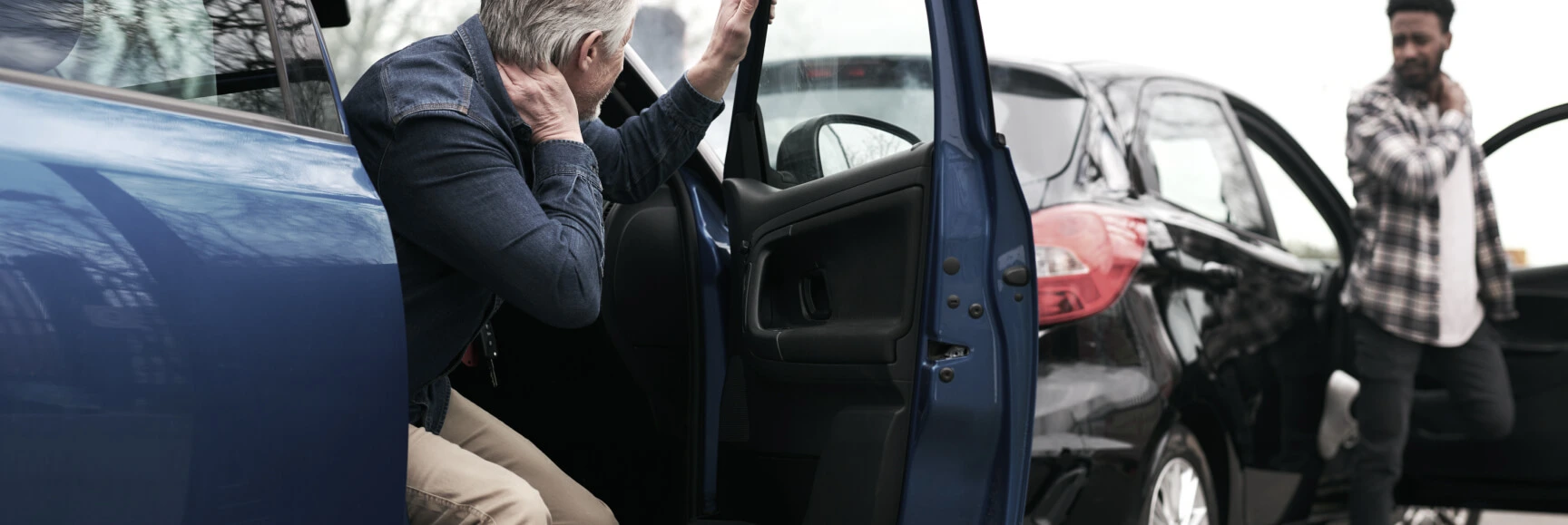
Quick Summary: Injured as a Passenger in an Uber or Lyft Accident: Who’s Liable?
- Filing deadlines vary by state, so prompt action helps preserve legal options.
- Passengers may claim against the rideshare driver, another driver, or both.
- Compensation may include medical bills, lost income, and pain and suffering.
- Uber and Lyft provide insurance coverage during active passenger trips.

You climb into the back seat, buckle up, and check your phone. Seconds later, the ride ends in a crash you never saw coming. As a passenger, you had no control over the speed, the lane change, or whether the driver was paying attention.
Most riders who are injured in an Uber accident feel lost about who actually pays for their medical care. Uber Lyft passenger accident liability may involve the rideshare driver, another motorist, or a commercial policy you never signed. Singh Ahluwalia Attorneys at Law handles personal injury matters involving rideshare accidents. This guide explains how these claims work.
Common Ways Rideshare Passengers Get Hurt
Rideshare crashes look much like any other traffic collision. The difference is that you are a paying passenger with no say in how the vehicle is driven. Riders injured in an Uber accident or a Lyft crash usually describe one of a few familiar situations.
- Rear-end collisions: Your driver stops short, or another car strikes your vehicle from behind. These crashes often cause neck and back injuries even at low speeds.
- Intersection T-bone crashes: A negligent driver runs a red light or turns across traffic. Side impacts frequently injure passengers seated closest to the point of contact.
- Single-vehicle accidents: Your driver loses control, hits an object, or leaves the roadway. Fatigue and app distraction both play a role.
- Multi-vehicle pileups: Three or more cars collide in a chain reaction. Sorting out who started the sequence takes investigation.
- Pickup and drop-off incidents: Riders get struck while stepping out of the car or waiting at the curb. These situations can overlap with California pedestrian accident claims when a rider is on foot.
What to Do After a Rideshare Crash
The choices you make in the first hours shape everything that follows. Passengers often assume the driver or the app will handle the paperwork. Taking a few steps yourself protects your health and your claim.
Steps to Take at the Scene
- Call 911 and ask for police and medical response, even if injuries seem minor.
- Get checked by a doctor the same day, since some injuries surface later.
- Take photos of the vehicles, the roadway, and your visible injuries.
- Collect names, phone numbers, and insurance details from every driver involved.
- Ask nearby witnesses for their contact information before they leave.
- Screenshot your trip receipt in the app, including the driver’s name and route.
Strong accident documentation helps prove where you were, who was driving, and which trip phase was active. Federal crash statistics help show broader accident trends, but your own records are what support your individual claim.
Early Mistakes That Can Weaken Your Claim
- Giving a recorded statement too soon: Adjusters call early and ask broad questions. Answering without legal guidance can lock you into details you have not confirmed.
- Delaying medical treatment: Gaps in care give insurers room to argue your injuries came from something else.
- Posting on social media: A photo of you smiling at a family dinner can be used to question how badly you were hurt.
- Accepting the first offer: Early checks arrive before anyone knows whether you need surgery or months of therapy.
Who Can Be Held Responsible for the Crash
Passengers are rarely at fault, which puts you in a solid position. The harder question is which party pays, and often more than one does. Rideshare cases follow the same general principles as other California car accident injury claims, with an extra layer of commercial coverage on top.
- The rideshare driver: Liable when speeding, distraction, or an unsafe turn caused the collision.
- Another motorist: Liable when a driver outside your vehicle caused the crash, which creates a third-party claim against that person’s policy.
- The vehicle owner: Sometimes responsible when the car belongs to someone other than the driver.
- The rideshare company: May share responsibility in limited circumstances, and its commercial policy often applies regardless.
When several vehicles are involved, insurers trade blame instead of accepting it. Your state’s comparative fault rules then decide how responsibility gets divided. Sorting out Uber Lyft passenger accident liability in a pileup takes the police report, physical evidence, and sometimes electronic vehicle data.
How Rideshare Insurance Coverage Works
Uber and Lyft carry commercial policies that turn on and off based on what the driver is doing. Rideshare insurance coverage is organized into three phases, and the amount available changes sharply between them. Rideshare insurance requirements vary by state, but most policies follow similar coverage phases based on the driver’s activity.
Because rideshare laws and insurance requirements differ across states, check your state’s Department of Motor Vehicles or transportation department for information about local regulations and operating requirements.
Phase One: App On, No Ride Accepted
The driver is logged in and waiting for a request. Only limited coverage applies during this window. No passenger is in the car yet, so this phase rarely affects rider claims.
Phase Two: Heading to Pick You Up
The driver has accepted a trip and is on the way. A commercial liability insurance policy, often up to $1 million, may apply from this point forward depending on state requirements. Riders waiting at the curb can still be affected by a crash during this stretch.
Phase Three: Passenger in the Vehicle
This is the phase that matters most for injured riders. A commercial policy, often with limits up to $1 million, generally applies while a passenger is inside the vehicle during an active trip. Many rideshare policies also include uninsured motorist coverage at similar limits, which helps when the at-fault driver has little or no insurance.
Coverage can also be questioned when a driver goes off-route for personal reasons mid-trip. If your driver stops to run an errand, the company may argue the trip was interrupted. Trip records and GPS data from the app usually settle that dispute, which is why your receipt matters.
The Claims Process for Injured Passengers
Rideshare claims have more moving parts than a standard two-car case. The company’s insurer, the driver’s personal carrier, and the other motorist’s insurer may all be involved. Depending on the circumstances, the rideshare company’s insurer may include James River Insurance for Uber or RSA Insurance Group for Lyft. Because carriers change over time, confirm who is handling coverage before you send anything in writing.
Once your treatment stabilizes, your attorney sends a demand letter outlining your injuries, bills, and losses. Negotiation follows, and many cases resolve then as an Uber accident settlement. If the insurer disputes fault or undervalues your injuries, an Uber accident lawsuit preserves your rights. Our breakdown of the rideshare accident claim process covers each step in order.
Compensation Available to Injured Passengers
Passenger accident compensation falls into a few recognized categories. What you recover depends on your injuries, your losses, and your state’s rules. Keeping every bill, pay stub, and treatment note supports each category below.
- Economic damages: Hospital bills, follow-up care, future treatment, and lost wages. Medical expenses recovery is usually the largest part of a serious claim.
- Non-economic damages: Pain, emotional distress, and the loss of activities you enjoyed before the crash.
- Punitive damages: Available in limited cases involving extreme misconduct, such as impaired driving.
Some states also provide personal injury protection benefits that pay early medical costs regardless of fault. Crash injuries remain common nationwide. The Centers for Disease Control and Prevention (CDC) reports millions of emergency visits each year tied to collisions.
When to Talk With a Rideshare Accident Attorney
You are not required to hire anyone, and minor claims sometimes resolve on their own. Consider speaking with an Uber accident attorney if your injuries required hospital care or if fault is disputed. The same is true when an adjuster pushes for a quick resolution. A Lyft accident lawyer can also help when several insurers point at each other and nothing moves forward.
Singh Ahluwalia Attorneys at Law focuses on personal injury representation and is experienced with rideshare accident claims. Our team can request trip records, coordinate with each carrier, and explain how your state’s fault rules apply. Filing deadlines vary by state, so early guidance helps preserve your options.
Rideshare Accident FAQ
How long do I have to file a claim after a rideshare crash?
Filing deadlines are set by state law and vary widely, often ranging from one to several years after the crash. Missing the deadline usually ends the claim, no matter how strong it is. Speaking with an attorney early keeps that door open.
Can I file against both the rideshare driver and the other driver?
Yes, passengers can pursue claims against more than one party when responsibility is shared. Each insurer evaluates the claim separately, and payment may come from several sources. This approach is common in multi-vehicle crashes.
What if the driver’s personal insurance is not enough?
The rideshare company’s commercial policy often covers the gap while a passenger is in the vehicle. Uninsured and underinsured motorist benefits may also apply. An attorney can identify every policy that could respond to your injuries.
Speak With Our Lyft Accident Law Firm About Your Rideshare Injury
Have questions about a rideshare accident injury? Our team is happy to talk through what happened and explain your options. A conversation helps you understand where your claim stands.
An Uber or Lyft accident lawyer at our firm can review your trip records, your medical care, and the insurance coverage that may apply. We handle Uber and Lyft accident cases and can answer the questions that come up along the way. Call (559) 878-4958 to schedule a consultation with Singh Ahluwalia Attorneys at Law.