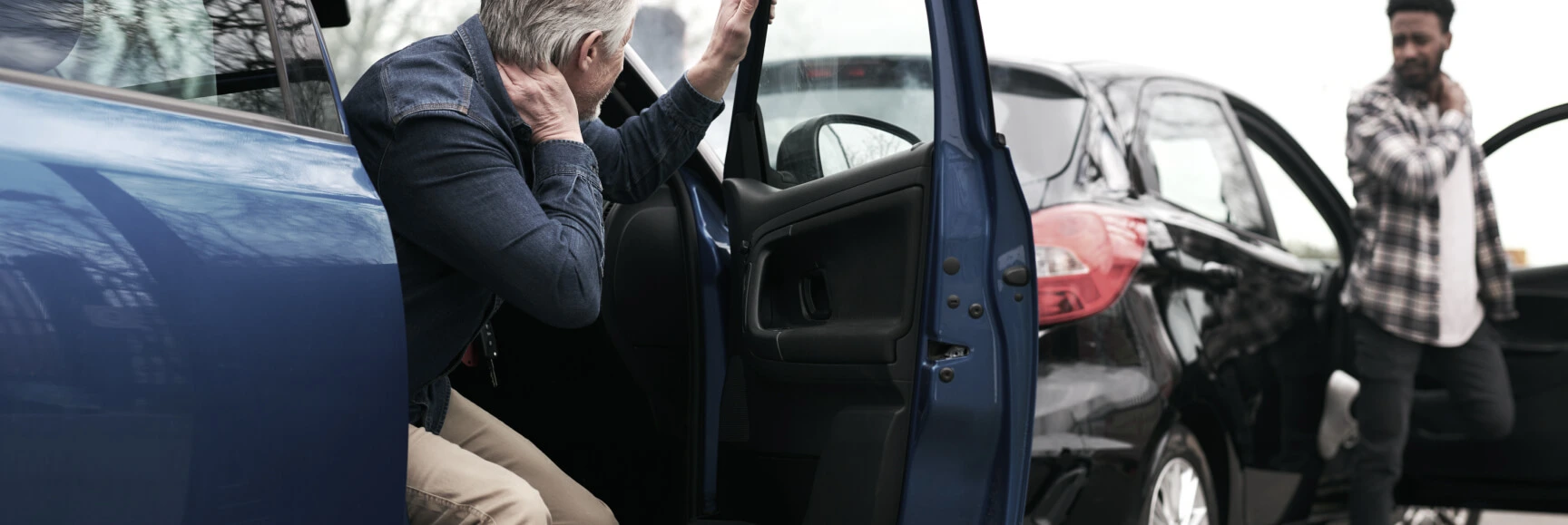
Quick Summary: What to Do If You’re the Victim of a Hit and Run Accident in California
- Hit and run victims in California have limited time to file personal injury claims.
- Uninsured motorist coverage may apply if the at-fault driver cannot be identified.
- Recoverable damages may include medical expenses, lost wages, vehicle repairs, and pain and suffering.
- File a police report within 24 hours to strengthen insurance claims and potential civil actions.

One moment you are driving home, and the next you are watching the other driver speed away without stopping. A hit and run accident in California can leave you shaken and wondering what to do next. Can you still recover compensation if the driver is never found? Will the police investigate? What steps should you take to protect yourself and your claim?
While every case is different, there are practical steps you can take immediately after a hit and run to protect your health and preserve important evidence. This guide explains what to do after a hit and run, how California hit and run laws may affect your situation, and the options that may be available if the at-fault driver cannot be identified.
Singh Ahluwalia Attorneys at Law helps clients understand their rights and navigate the insurance claims process after a hit and run accident.
Common Hit and Run Situations California Drivers Face
Not every fleeing driver accident looks the same. Some involve serious highway crashes, while others happen at low speed in a crowded parking lot. Knowing the pattern helps you understand what evidence may exist and which coverage may apply.
- Parking lot collisions: Someone backs into your car at a shopping center and leaves without a note. Security cameras often capture these incidents.
- Intersection crashes: A driver runs a red light, causes a collision, then panics and leaves before officers arrive.
- Highway sideswipes: A vehicle drifts into your lane, clips your car, and keeps going. These often happen at night with few witnesses.
- Pedestrian and bicycle strikes: These cases cause the most serious injuries because there is no vehicle frame to absorb the impact. A California pedestrian accident attorney can explain how these claims differ from standard vehicle collisions.
What to Do Immediately After a Hit and Run Accident in California
The choices you make in the first hour shape everything that follows. Knowing what to do after a hit and run protects both your health and your claim. Do not chase the other vehicle, because doing so puts you and others at risk.
- Check for injuries and move to safety: Turn on your hazard lights. Get clear of moving traffic if possible.
- Call 911 right away: Request police and medical assistance if anyone is injured. Report the crash immediately.
- Write down what you remember: Note the vehicle’s color, partial license plate, and travel direction.
- Collect witness information: Get names and phone numbers. Witness statements often confirm important details.
- Photograph everything: Capture your vehicle, the roadway, debris, and nearby buildings with surveillance cameras.
- Report the crash to the DMV: File an SR-1 within 10 days if injuries occur. The same applies if property damage exceeds $1,000.
A hit and run police report does more than start a criminal case. It creates an official record that supports insurance claims and potential civil actions.
Mistakes That Can Weaken a Hit and Run Claim in California
Small mistakes after a hit and run accident can create bigger problems later. Insurance companies review the timeline closely, and gaps may raise questions about your claim. Avoiding these common mistakes helps protect your rights and strengthens your case.
- Delaying medical treatment: A treatment gap may weaken the link between your injuries and the crash.
- Skipping the hit and run police report: Without one, uninsured motorist coverage may become harder to access.
- Giving an unprepared recorded statement: Understand the process before speaking with an insurance adjuster.
- Posting on social media: Photos and comments may be taken out of context during your claim.
- Accepting an early settlement offer: The full cost of your injuries may not be clear yet.
How California Hit and Run Laws Affect Your Case
California hit and run laws work on two separate tracks. One focuses on the fleeing driver’s criminal responsibility, while the other focuses on your right to recover compensation. Understanding both helps explain what happens after a hit and run accident in California.
Criminal Penalties for Drivers
Drivers involved in a crash must stop, exchange information, and meet their legal responsibilities under California law.
- Property damage only: Leaving the scene is generally a misdemeanor under California Vehicle Code Section 20002.
- Crash involving injuries or death: Leaving the scene falls under California Vehicle Code Section 20001. Prosecutors may charge it as a misdemeanor or felony based on the circumstances.
Civil Claims and Compensation for Victims
Your civil claim moves forward whether or not anyone is charged with a crime. California generally allows two years to file a personal injury claim and three years to file a property damage claim. Uninsured motorist claims may have separate deadlines under California Insurance Code Section 11580.2, so waiting can affect your rights.
Even when police cannot identify the driver, hit and run victim rights remain intact. Your own uninsured motorist coverage may provide a path to recovery when the at-fault driver cannot be found. When these legal issues arise, Deepak Ahluwalia handles hit and run accident claims.
How Insurance Companies Handle Hit and Run Claims
Most people injured in a hit and run accident in California recover through insurance rather than a lawsuit. The type of loss determines which coverage applies when the at-fault driver cannot be identified.
- Uninsured motorist (UM) coverage: UM coverage may pay for bodily injuries when the at-fault driver is unknown or uninsured. California law generally requires physical contact, a timely police report, and prompt notice to your insurer.
- Collision coverage: Collision coverage helps pay to repair or replace your vehicle when no other driver’s liability insurance is available. Your deductible usually applies, and liability-only coverage may not cover vehicle repairs.
A hit and run insurance claim may still face challenges with your own insurer. An insurance adjuster may question physical contact, your injuries, or other facts before approving coverage. Similar disputes may arise when the at-fault driver has no insurance because both claims rely on your own policy.
Evidence That Can Strengthen Your Claim
Evidence can make a significant difference when filing a hit and run insurance claim or pursuing compensation. Gather and preserve as much documentation as possible before it is lost or overwritten.
- Police report
- Medical records and treatment documentation
- Photos of the accident scene and vehicle damage
- Dashcam footage
- Nearby surveillance camera footage
- Repair estimates
- Witness names and contact information
Types of Compensation Available After a Hit and Run Accident
Compensation after a hit and run accident depends on your injuries, available insurance coverage, and supporting evidence. California law recognizes different categories of damages based on the losses you have suffered. According to the National Highway Traffic Safety Administration (NHTSA), hit-and-run crashes cause thousands of injuries and fatalities each year.
Economic Damages
Economic damages compensate for the financial losses caused by a hit and run. They may include medical bills, future treatment, lost wages, reduced earning capacity, and property damage. Depending on your case, compensation may also cover vehicle repair or replacement costs.
Non-Economic Damages
Non-economic damages compensate for the personal impact of the accident. They may include pain and suffering, emotional distress, and the loss of enjoyment of activities you participated in before the crash. These damages recognize losses that cannot be measured with bills or receipts alone.
Punitive Damages
Punitive damages are available only in limited circumstances. They may apply if the fleeing driver is identified and the evidence shows especially reckless or intentional misconduct. Unlike economic and non-economic damages, punitive damages are intended to punish wrongful conduct rather than compensate for your losses.
When a California Hit and Run Accident Lawyer Can Help
Some hit and run accident claims in California resolve without major disputes. Others become more complicated when an insurer challenges a UM claim, injuries require ongoing treatment, or the fleeing driver is identified later. Legal representation can help you protect your rights and understand your options.
Deepak Ahluwalia is an experienced personal injury attorney who handles car accident injury claims and California insurance disputes. Our California car accident lawyer can gather evidence, communicate with insurance adjusters, and protect important deadlines. We can also help if your UM claim is disputed or the fleeing driver is later identified.
California Hit and Run Accident FAQ
Can I still recover compensation if the hit-and-run driver is never found?
Yes, in many cases. Uninsured motorist coverage on your own policy is designed for exactly this situation. You will need to meet the reporting requirements, including a prompt police report.
How long do I have to file a police report and an insurance claim after a hit-and-run in California?
Report the crash to police within 24 hours to protect your uninsured motorist claim. You generally have 10 days to file an SR-1 with the DMV and two years to bring an injury lawsuit.
What if I only have liability insurance and was hit by a driver who fled the scene?
Liability coverage pays others for damage you cause, so it will not cover your own losses. Without uninsured motorist or collision coverage, your options may be limited unless the driver is identified.
Get Trusted Legal Guidance From a California Hit and Run Accident Law Firm
A hit and run accident can leave you dealing with injuries, vehicle repairs, and insurance questions. Every case depends on the facts, including your policy, your injuries, and the available evidence. The team at Singh Ahluwalia Attorneys at Law can review your situation, answer your questions, and discuss the options available to you.
If you’re unsure what comes next, a conversation with our team can help you better understand your claim and the process ahead. Call (559) 878-4958 today to schedule a consultation.