Quick Summary: Uninsured Driver Accidents
- Uninsured motorist coverage helps when the at-fault driver has no insurance.
- You may need to file a claim through your own insurance policy.
- Documentation and evidence are important for recovering compensation.
- Legal and insurance options depend on your policy and accident details.
- Acting quickly can help avoid delays in the claims process.
Need immediate help? Contact a California personal injury attorney

Discovering that the at-fault driver has no insurance can make an already stressful crash feel harder to manage. You may be dealing with vehicle damage, medical expenses, physical pain, and lost wages while wondering who will pay for the harm caused.
California law gives injured drivers several compensation options, including an uninsured motorist claim that California drivers may file through their own policy. This guide explains what to do if the other driver has no insurance in California, how uninsured motorist coverage in California policies may apply, and what claim documentation can help protect your recovery.
The First Steps That Matter Most Right After the Crash
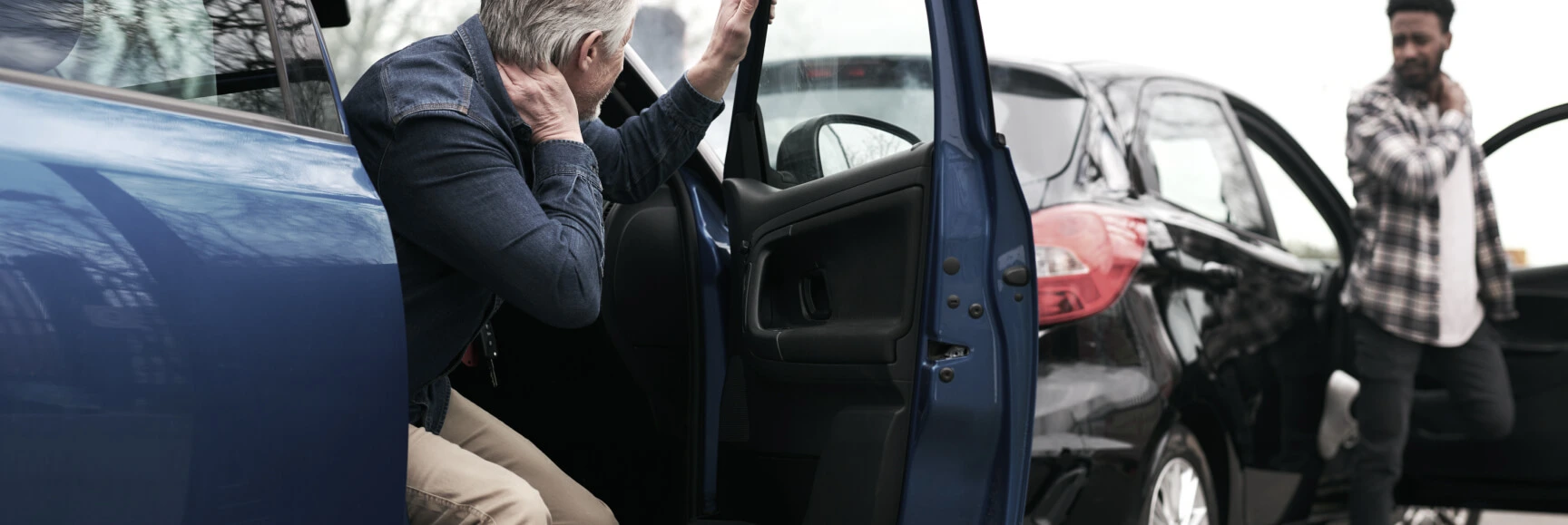
The moments after a collision shape what you can recover later, and the steps after an accident involving an uninsured driver call for different approaches than a routine crash. Move to a safe spot if you can, then call 911 even when the damage looks minor. An officer’s report becomes a cornerstone of your claim documentation, especially when the at-fault driver tries to leave the scene. Photograph vehicle positions, license plates, road conditions, traffic signs, skid marks, and any visible injuries, and collect contact details from witnesses before they drive off.
Exchange information with the other driver and ask to see their insurance card. If they cannot produce one, note their reaction, the make and model of their vehicle, and any identifying details. Plenty of people wonder what happens if the at-fault driver has no insurance at the scene, and the honest answer is that you protect yourself by staying calm and saying as little as possible about who caused what. Seek medical care the same day, even if you feel fine. Adrenaline masks injuries, and a same-day medical record ties your symptoms to the crash in a way no later visit can replicate.
Understanding How Uninsured Motorist Coverage Works in California
Uninsured motorist coverage offered by California insurers is optional, but carriers must present it to policyholders. It may help pay medical expenses, lost wages, pain and suffering, future treatment costs, and lost earning capacity when the at-fault driver has no insurance or cannot be identified, such as in a hit-and-run.
Vehicle damage is usually handled separately through uninsured motorist property damage coverage, which has its own policy limits and may include a deductible. A coverage verification call can confirm what protections are active, while the California Department of Insurance explains required insurance notices in consumer-facing terms. Reviewing the policy with a California personal injury lawyer can also help identify available insurance coverage and compensation options.
Exploring Your Options for Recovering Compensation from an Uninsured Driver
When the at-fault party has nothing to offer, you still have several compensation options worth weighing side by side. Your own uninsured motorist policy is usually the first source, followed by MedPay coverage if you carry it. Health insurance covers additional gaps in medical expenses, though those carriers may later request reimbursement from any settlement. Documented lost wages can also be part of your recovery, supported by pay stubs, tax records, and a written statement from your employer.
Knowing how to recover damages from uninsured driver claims also means looking beyond the obvious sources. Sometimes a third party shares responsibility, such as a vehicle owner who lent the car to an unlicensed driver, an employer whose worker caused the crash on the job, or a bar that overserved the at-fault driver before the wreck. These layered claims can substantially raise the ceiling on what you collect, and they are often overlooked by people handling a claim alone.
A Walk-Through of How to File an Uninsured Motorist Claim in California
Knowing how to file uninsured motorist claims that California procedures require starts with prompt written notice to your insurer. Most policies require timely reporting and may include deadlines for uninsured motorist coverage for California benefits.
Key steps include:
- Notify your insurer in writing: Start the claim filing process as soon as possible after the crash.
- Request coverage verification: Confirm your uninsured motorist policy limits and what insurance coverage applies.
- Gather claim documentation: Keep the police report, medical records, bills, photos, witness statements, and proof of lost wages.
- Be careful with recorded statements: Insurers may use your words later in an insurance dispute. The Legal Information Institute provides general background on personal injury concepts.
- Keep duplicates of everything: Save emails, letters, claim numbers, and adjuster notes.
- Prepare for negotiation: How insurance pays uninsured motorist claim payouts usually depends on documentation and settlement negotiation, not a single first offer.
- Understand legal support: A California car accident attorney can help prevent routine statements or paperwork mistakes from weakening the claim.
A strong California uninsured motorist claim treats every document and insurer conversation as part of the record. Clear documentation can help support claims for medical expenses, lost wages, and other compensation.
Potential Legal Actions Available Against the At-Fault Uninsured Driver
A natural question after a serious crash is, “Does California law allow you to sue an uninsured driver?” Yes. Driving without insurance does not shield anyone from personal liability, and you may pursue a civil judgment against the at-fault driver for the full amount of your damages. Recovering on that judgment is the harder part, since uninsured drivers often have limited assets, but wage garnishments, property liens, and asset searches sometimes produce meaningful results when handled by experienced counsel.
California also enforces real penalties for driving without insurance California requires, including license suspension, fines, and vehicle impoundment, which the California Courts website describes for the public. While these consequences do not put money in your pocket directly, they can pressure the at-fault driver toward serious settlement negotiation rather than face escalating legal trouble. A skilled attorney can also evaluate whether the uninsured driver had access to other assets, such as a household relative’s policy or business coverage, that might respond to your claim.
Common Mistakes to Avoid During the Claims Process After an Accident
Valid claims can weaken when injured drivers post about the crash on social media, skip medical follow-ups, accept an early lump-sum offer, or give recorded statements without understanding the impact. These mistakes can create treatment gaps, reduce claim value, or complicate what to do if the other driver has no insurance in California.
It is also important to remember that an insurance dispute with your own carrier is still a business negotiation. Adjusters may question medical expenses, lost wages, coverage verification, or fault under California’s comparative negligence rules. Speaking with a Fresno car accident lawyer before signing documents can help keep the California uninsured motorist claim process balanced.
Key Factors That Affect Claim Outcomes and the Compensation You Receive
Several variables shape the final number on a California uninsured motorist claim that California drivers settle. Policy limits cap what your insurer will pay, regardless of how severe your injuries are, which is why the level of uninsured motorist coverage California drivers carry often pays for itself after one serious crash. The depth of your medical records, the consistency of your treatment, and the clarity of your claim documentation also weigh heavily. Insurers track patterns, and a well-organized record tends to move faster and settle for more.
Industry research from the National Association of Insurance Commissioners shows that documented economic losses tend to anchor uninsured motorist settlements. Witness credibility, the way settlement negotiation is conducted, and even the timing of demand letters can shift outcomes by thousands. What should you do if the other driver has no insurance that California requires? Often it comes down to building a record so strong the insurer has no room to lowball. When the facts and the paperwork align, claims close faster and closer to what your losses truly cost.
Speak with the Singh Ahluwalia Team About Your California Uninsured Driver Claim
Recovering after a crash caused by an uninsured driver can involve medical expenses, lost wages, coverage verification, claim documentation, and insurer pushback. Singh Ahluwalia can help injured Californians understand the uninsured motorist claim process in California, available compensation options, and how to manage communications during an insurance dispute.
If an uninsured driver caused your injuries, call Singh Ahluwalia at (559) 878-4958 or reach out now. A conversation can help clarify how to file a California uninsured motorist claim and what next steps may apply.