Quick Summary: What to Do After a Motorcycle Accident
- Get medical attention immediately, even if injuries seem minor.
- Call the police and ensure an official accident report is filed.
- Document the scene with photos, videos, and witness information.
- Avoid discussing fault with drivers or insurance representatives.
- Keep records of treatment, expenses, and communications after the crash.
Need immediate help? Contact a California personal injury attorney
Motorcycles are one of the most vulnerable vehicles on California roads. Riders face a significantly higher risk of serious injury compared to those in passenger cars, and accidents can happen in an instant on busy highways and city streets. Whether you ride through Fresno, Los Angeles, or anywhere in between, knowing how to respond after a crash can protect both your health and your legal rights.
At Singh Ahluwalia Attorneys at Law, we work with motorcycle accident victims across California who are dealing with injuries, insurance disputes, and the stress of recovery. Knowing what to do after a motorcycle accident can make a significant difference in how your case unfolds. Our team is here to help clients navigate every step of the process with clarity and confidence.
What to Do After a Motorcycle Accident
A motorcycle crash can leave you disoriented, shaken, and unsure of what to do next. The decisions you make in the moments immediately after the impact directly affect your health, your safety, and any future insurance claim. Understanding your priorities ahead of time helps you stay focused when it matters most.
Motorcycle crashes remain a serious traffic safety concern across California. According to the California Office of Traffic Safety, 583 motorcyclists lost their lives in crashes on California roads in 2023. These numbers make clear just how vulnerable riders are and why taking the right steps after a crash can make a life-changing difference.
Many victims move through the claims process without proper guidance and end up settling for far less than they deserve. Knowing what to do after a motorcycle accident in California puts you in control of your recovery and your compensation. The steps you take in the hours and days following a crash can be just as important as the medical care you receive.
Steps to Take After a Motorcycle Accident
After a crash, it is easy to feel overwhelmed and unsure of where to begin. The steps after a motorcycle accident outlined below are meant to help you act quickly and protect yourself from the start. Following a clear motorcycle accident checklist helps California riders preserve the evidence and documentation they need.
Move to Safety and Call for Help
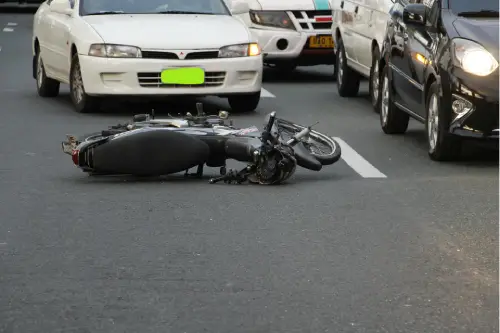
If you can move, get yourself and your motorcycle out of the path of traffic. Your immediate safety is the priority, and staying in the road puts you at risk of a second collision. Call 911 right away so emergency services and law enforcement can respond to the scene.
Seek Medical Attention Immediately
Even if you feel fine after the crash, you should still seek medical treatment as soon as possible. Some injuries, including internal trauma and concussions, do not show symptoms right away. A medical evaluation creates a record that connects your injuries to the accident, which is critical for any future injury documentation.
Call the Police and File a Report
A police report is one of the most important documents in a motorcycle accident case. Law enforcement will document the scene, gather statements, and record details that support fault determination later. In California, you are required to report accidents that involve injury, death, or significant property damage to the California Highway Patrol.
Document the Scene and Collect Evidence
Take photos and videos of everything at the scene before vehicles are moved. Capture road conditions, traffic signs, skid marks, vehicle damage, and any visible injuries. Getting witness statements from anyone who saw what happened adds another layer of support to your account of the crash.
Exchange Information and Notify Your Insurer
Collect the other driver’s name, contact information, insurance details, and license plate number. Notify your insurance company about the accident, but keep your statements brief and factual. Do not admit fault or speculate about what caused the crash.
What Evidence and Documentation Can Make or Break Your Claim
The strength of your motorcycle accident claim depends heavily on the quality of the evidence you gather. Accident scene documentation starts at the crash site but continues long after you leave. The more thorough your records, the harder it becomes for an insurance company to dispute your claim.
Motorcycle accident cases differ from standard car accident claims in important ways. Insurers tend to apply greater scrutiny to motorcycle claims, sometimes pointing to rider behavior or protective gear as reasons to reduce compensation. California’s helmet laws require all riders to wear a helmet, and riding without one can affect how your claim is valued.
Evidence to Collect at the Scene
Strong evidence to collect after a motorcycle accident includes more than just photos. Here are the things that matter most:
- Photos and video: Capture all angles of the accident scene, including road conditions, vehicle positions, and visible injuries
- Witness contact information: Gather the names and phone numbers of anyone who witnessed the crash
- Helmet and gear condition: Damaged protective equipment can serve as physical evidence of impact
- Weather and road conditions: Note lighting, road surface, and any hazards that may have contributed to the crash
- Driver and vehicle details: Insurance cards, license plates, and registration information from all parties involved
Medical Records and Ongoing Treatment
Every medical appointment, prescription, and treatment related to your injuries should be documented and saved. Gaps in medical treatment can be used by insurance companies to argue that your injuries are less serious than claimed. Keep a personal log of your symptoms, pain levels, and how the injuries are affecting your daily life.
Common Mistakes That Hurt Your Claim
Avoiding common mistakes after a motorcycle accident is just as important as taking the right steps. Here are the most damaging ones:
- Admitting fault at the scene: Even a casual apology can be used against you during a liability investigation
- Delaying medical care: Waiting too long to see a doctor creates doubt about the severity of your injuries
- Posting on social media: Insurance adjusters monitor social media accounts for content that contradicts injury claims
- Giving a recorded statement without legal advice: Insurance representatives are trained to ask questions that minimize your damages recovery
- Accepting the first settlement offer: Early offers rarely reflect the true value of your motorcycle accident injury steps and losses
How the Motorcycle Accident Claims Process Works in California
California follows a fault-based system, meaning the driver responsible for the accident is liable for the resulting damages. More than one party can share responsibility under California’s pure comparative fault rule, and your compensation may be reduced by your percentage of fault.
Understanding the motorcycle accident insurance process California riders face helps you prepare for what comes next and why thorough evidence collection matters from the very beginning.
How Insurance Companies Handle Motorcycle Claims
Insurance companies approach motorcycle accident claims intending to minimize payouts. Adjusters may question whether your injuries are accident-related or argue that your riding behavior contributed to the crash. The motorcycle accident insurance process in California often involves recorded statements, independent medical examinations, and drawn-out negotiations designed to pressure claimants into settling early.
Working with a California motorcycle accident attorney puts an experienced advocate between you and the insurance company. Your attorney can handle communications, push back against lowball offers, and make sure the insurer cannot use gaps in documentation against you. What happens after a motorcycle accident claim is filed depends heavily on how well-prepared your case is from the start.
What to Expect in the Claims Process
The claim timeline for a motorcycle accident varies depending on the complexity of the case and the severity of injuries. Most claims begin with an investigation phase where both insurers gather evidence and assess fault determination, a stage that typically takes anywhere from a few weeks to several months.
Once the investigation wraps up, settlement negotiations begin between your attorney and the insurance company. This stage can last weeks or months, especially if the insurer disputes the extent of your injuries or pushes back on the value of your claim. If both sides cannot reach a fair agreement, the case may move into litigation, which can extend the timeline by one to two years.
A Fresno motorcycle accident lawyer and a California personal injury attorney can help you understand what your claim is worth and what steps are needed to pursue full damages recovery.
Talk to a California Motorcycle Accident Attorney Today
After a motorcycle crash, protecting your health and your claim should be your top priorities. Seeking medical care right away and preserving every piece of evidence gives you the strongest possible foundation for recovery. Taking these steps early makes it far harder for insurance companies to minimize what you are owed.
If you are dealing with injuries, insurance disputes, or questions about what to do after a motorcycle crash, Singh Ahluwalia Attorneys at Law is ready to help. A California motorcycle accident attorney from our team can review your case, explain your options, and guide you through every stage of the claims process.
Call us today at (559) 550-4840 to speak with someone who will fight for the compensation you deserve.