Quick Summary: Evidence for a Personal Injury Claim
- Strong claims rely on clear proof of fault, injury, and damages.
- Medical records are often the most important supporting evidence.
- Photos, videos, and reports help document what happened.
- Witness statements can strengthen or support your version of events.
- Timing matters when collecting and preserving evidence.
Need immediate help? Contact a California personal injury attorney.
An accident can upend your life in moments, but what determines how much you recover is almost entirely decided by your decisions afterward. California courts and insurance adjusters do not evaluate claims based on what someone says occurred, they evaluate claims based on documented evidence, and the burden of proof rests entirely with you.
This guide breaks down what evidence is needed for a personal injury claim, which documents carry the most weight, how quickly that evidence can disappear, and what mistakes silently cost claimants money before they ever reach a negotiating table.
What Is Needed to Establish a Personal Injury Claim in California
Every personal injury claim must establish three things:
- Proving that another party was at fault.
- Proving their actions directly caused your injuries.
- Accident injuries must produce real losses.
When you consider what evidence is needed for a personal injury claim, every document, photograph, statement, and record you preserve should serve one of these three purposes.
California follows a pure comparative fault rule, which means your compensation is reduced by whatever percentage of blame is attributed to you, making the completeness of your liability evidence especially important, because insurance adjusters will look for any opportunity to shift responsibility in your direction.
Knowing what evidence is needed for personal injury case preparation before you ever speak with an adjuster is one of the most protective steps you can take, and the stronger your documentation from the start, the less room an insurer has to dispute it.
Breaking Down the Main Types of Evidence in Personal Injury Cases
The types of evidence in personal injury cases fall into four categories, and a complete claim draws from all of them.
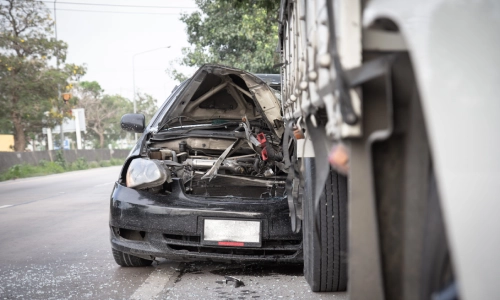
- Physical evidence: Damaged vehicles, broken equipment, torn clothing, or the hazard that caused the incident. This is the tangible material that shows something went wrong.
- Documentary evidence: A written record such as police accident reports, medical bills, insurance correspondence, and repair estimates. These documents establish the facts on paper.
- Testimonial evidence: This type of evidence comes from witnesses, the parties involved, and expert witnesses who can explain technical details. What people saw and said shapes how liability is assigned.
- Visual evidence: This covers photos and videos of accident evidence captured at the scene, pulled from dashcams, or retrieved from nearby surveillance systems.
No single category wins a claim on its own, the types of evidence in personal injury cases work together, and a gap in any one of them is an opening an insurance adjuster will use. A California personal injury lawyer knows which categories are solid and which are at risk of disappearing before anything else is addressed.
Why Medical Records for a Personal Injury Claim Do the Heaviest Lifting
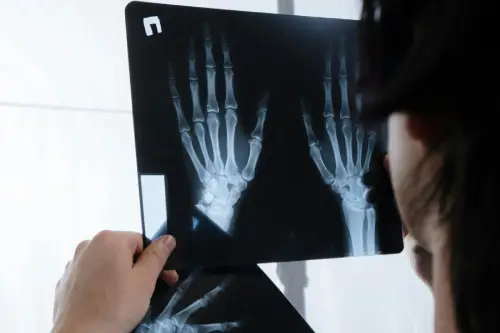
Medical records for a personal injury claim create a direct, timestamped link between the incident and your physical condition that no other evidence can replicate. Emergency room notes, diagnostic imaging, physical therapy logs, and follow-up visit summaries build a timeline that is difficult for insurers to rewrite. Adjusters look specifically for gaps because any unaccounted period gives them an opening to argue that something else caused your condition.
Seek care within 24 to 72 hours, follow the recommended treatment plan completely, and attend every scheduled appointment. Conditions that look minor initially can develop into chronic limitations affecting your ability to work and your daily quality of life, and the CDC’s data on unintentional injury identifies it as a leading cause of long-term disability in the United States, thorough treatment records are what translate that reality into compensable damages.
A Practical Guide on How to Gather Evidence After an Accident
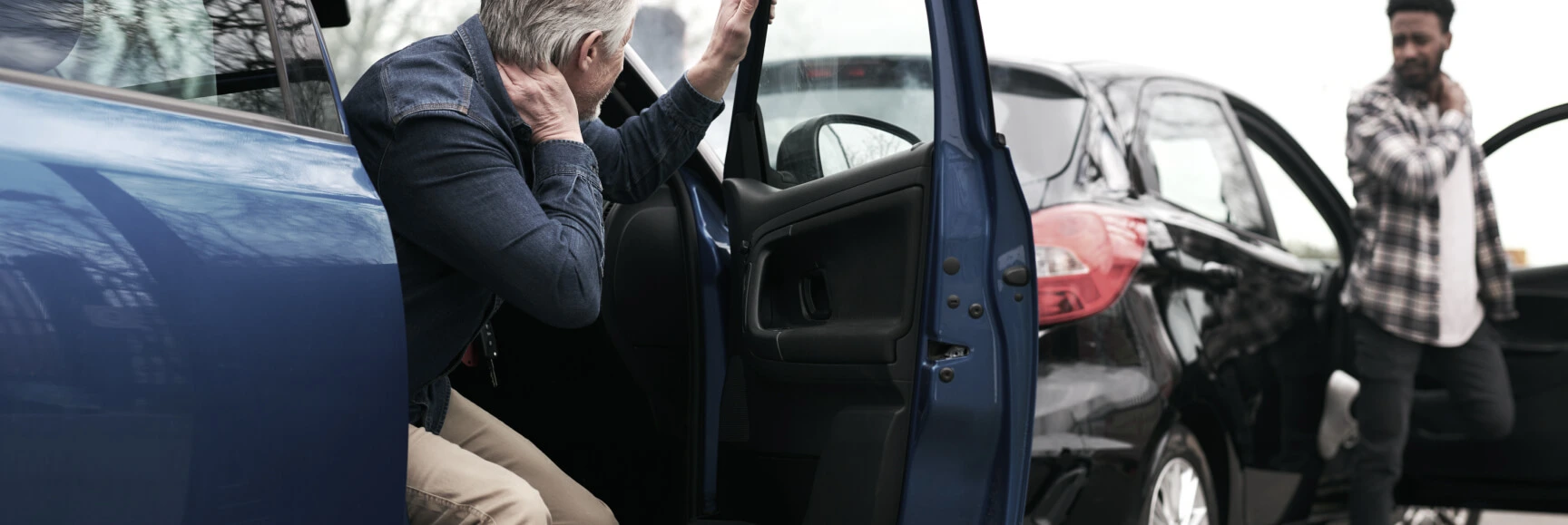
Understanding how to gather evidence after an accident means acting within a compressed window, surveillance footage is overwritten within 48 to 72 hours, skid marks fade, and witnesses lose specific details within days.
What evidence is needed for a personal injury claim to be complete starts with what you collect in these first hours, before conditions change and liability evidence disappears.
- Photograph everything: Vehicle positions, license plates, road conditions, traffic controls, and any visible injuries. Accident scene photos are often the clearest record of what happened before the environment is altered
- Gather witness statements immediately: Personal injury attorneys rely on those gathered close to the event, when witness credibility is at its strongest.
- Secure police report: Injury claim situations are routinely underestimated, police officers document conditions while fresh, record statements from every party, and often make a preliminary fault determination.
Beyond the scene, preserve all clothing worn during the incident, hold damaged property rather than repairing it, and save every piece of correspondence from the moment it occurs.
For vehicle incidents, our California car accident guide covers the immediate steps that protect both your health and your legal position.
What Documents Are Needed for an Injury Claim Beyond the Police Report and Medical Bills
When people ask what documents are needed for injury claim purposes, the answer goes well beyond medical bills and a police report.
- Lost wages: Self-employed claimants need tax returns and client invoices to show income disruption.
- Out-of-pocket expenses: Prescription costs, transportation, mobility aids, and home modifications fall within recoverable damages and each needs a receipt.
- Property damage requires repair estimates, independent appraisals, and replacement quotes: Insurance claim evidence requirements extend to every category of loss.
- Financial documentation must match the medical record: This is part of what evidence is needed for a personal injury claim to hold up fully.
For additional information, the California Department of Insurance publishes guidance on what documentation insurers are obligated to evaluate.
How to Prove a Personal Injury Claim When the Other Side Disputes Fault
Learning how to prove a personal injury claim is most challenging when the other party denies responsibility or tries to shift blame onto you.
When Your Own Account Is Not Enough
Evidence from outside your account becomes essential when causation is being challenged, surveillance footage from nearby businesses and intersection areas, cell phone records showing distracted driving, and vehicle event data recorder output can each shift the picture in your favor. Expert testimony from accident reconstruction specialists or medical professionals is sometimes necessary to explain how a minor-looking impact produced a serious injury, or to establish the precise sequence of events.
The Foundation for Any Car Accident Claim in California
As mentioned in the previous sections photos and videos of accident evidence captured at the scene in those first minutes are among the most persuasive items in any vehicle-incident file, and the National Highway Traffic Safety Administration’s crash reporting standards reflect exactly the kind of documentation California courts and insurers expect to see.
Meeting the Burden of Proof Under California’s Standard
How to prove a personal injury case ultimately comes down to California’s preponderance of evidence standard, which requires showing that your account is more likely true than not.
Common Mistakes That Quietly Weaken a Solid Personal Injury Case
Even claimants who handle the early stages well can undermine their own cases through mistakes that seem harmless at the time.
Posting on Social Media and Giving Recorded Statements
A photo from a social event, a comment about feeling better, or even an unrelated post during your recovery gives the opposing insurer material to challenge your stated limitations. Giving a recorded statement to the at-fault party’s insurance adjuster before consulting an attorney is equally damaging, because adjusters are trained to frame questions in ways that produce answers useful to their side.
Mishandling Physical Evidence and Medical Documentation
Discarding or repairing damaged property removes physical evidence that cannot be recreated, and downplaying symptoms during treatment weakens your medical documentation in ways that are difficult to correct later. Exaggerating, even to counteract being dismissed, destroys witness credibility once detected and undermines everything else in your file.
Why Consistency Is What Helps Win a Personal Injury Case
Understanding what helps win a personal injury case comes down to one principle: honest, well-organized claim documentation built from day one is far more persuasive than any account assembled after the fact.
When the Evidence Is in Order but Your Claim Still Needs More Than Documents
Some claimants do everything right and still receive lowball offers or outright denials. Insurers evaluate how organized and credible a claimant appears, how completely the damages documentation covers every category of loss, and how likely the claimant is to push back, a file with a clear incident timeline, uninterrupted medical treatment, and a full accounting of financial impact produces very different results than the same facts presented with gaps.
California’s two-year statute of limitations provides time to build a case properly, but it does not justify delaying early evidence preservation. The strongest cases are built in the first weeks, when memories are fresh, witnesses are still reachable, and physical evidence still exists, waiting too long means reconstructing rather than documenting, and that difference is visible to every adjuster who reviews the file.
Contact Singh Ahluwalia to Review Your Evidence Before More Time Passes
If you are uncertain whether your documentation is complete, whether fault is being assessed fairly, or whether the offer you have received reflects the full value of your injuries, those questions deserve a direct answer from someone who handles California personal injury claims every day.
Singh Ahluwalia works with injured Californians to evaluate what evidence is needed to have a strong personal injury claim. Reach out or call us at (559) 550-4840 to go over your options.