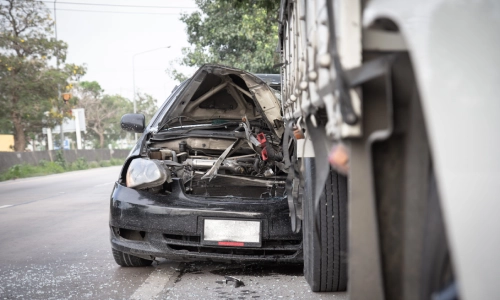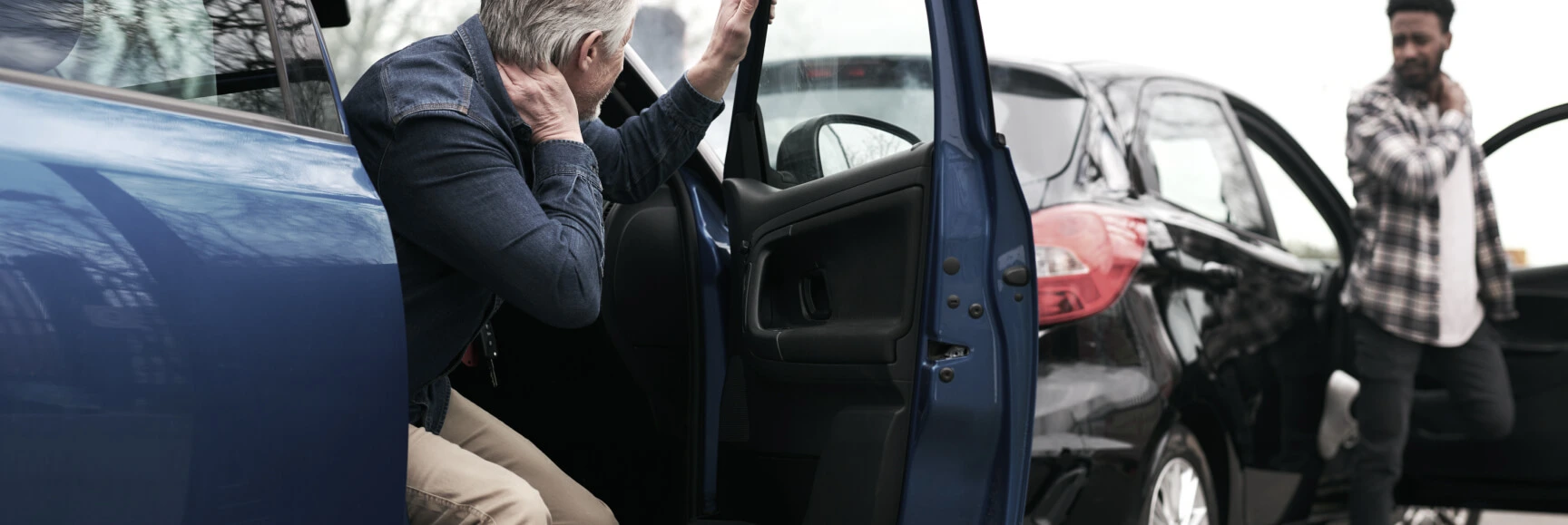
Quick Summary: What to Do After a Truck Accident
- Get medical attention immediately, even if injuries are not obvious at the scene.
- Call the police and ensure an official accident report is created before leaving.
- Document the scene with photos, videos, and witness contact information.
- Avoid discussing fault with the truck driver, carrier, or insurance representatives.
- Keep records of all treatment, expenses, and communication following the crash.
Need immediate help? Contact a California personal injury attorney.
A collision with a commercial truck is rarely straightforward, injuries are often severe, trucking companies carry their own legal teams and insurers, and they begin protecting their interests almost immediately after a crash. What you do in the hours and days that follow directly affects whether you recover the full value of what you have lost.
We will walk through what to do after a truck accident in California, from the moment the crash occurs through the claims process, so that every step you take protects both your health and your right to fair compensation.
Most Critical Immediate Steps After a Truck Accident
The decisions made in the minutes after a truck accident have lasting consequences. Move yourself and any passengers away from active traffic lanes if safe to do so, and call 911 immediately.
California requires reporting any accident involving injury, death, or significant property damage, and the California Highway Patrol report becomes one of the foundational documents in any claim. Without a police report, the fault determination process becomes significantly harder and trucking insurers will use that absence to their advantage.
While waiting for emergency responders, collect evidence, note the time, location, road conditions, and any traffic controls. These details are part of the truck accident checklist California claimants should move through systematically, and this is accident scene documentation in its most time-sensitive form.
What to Do After a Truck Accident Before the Window for Evidence Closes
Commercial trucking regulations set by the Federal Motor Carrier Safety Administration require carriers to preserve driver logs, GPS data, inspection records, and dashcam footage, but those obligations have time limits.
Knowing what to do after a truck accident in California means acting before that window closes, and a truck accident attorney can send a legal hold notice to the carrier immediately to prevent critical data from being overwritten or lost.
Steps after a truck accident that protect your claim include the following:
- Keep the clothing you were wearing.
- Retain all damaged personal property.
- Document all medical care from the first visit onward.
- Avoid recorded statements or early settlement discussions without legal guidance.
Having a truck accident lawyer involved early ensures neither of those vulnerabilities exists in your file.
How to Document the Accident Scene to Protect Your Claim
Collect Information Beyond What the Camera Captures
Evidence to collect after truck accident scenes includes witness names and contact information, nearby surveillance camera clips, the truck’s cargo and any visible load shifts, and the carrier’s DOT number, which can be cross-referenced through the Federal Motor Carrier Safety Administration’s carrier database for the company’s safety record and inspection history.
Use the Police Report as Your Evidentiary Backbone
Take note of the responding officer’s name and badge number, the accident report number, and any citations issued at the scene. Combined with your own documentation, the police report forms the foundation of any claim against the trucking company or its insurer.
Medical and Safety Priorities That Cannot Wait After a Truck Collision
Seeking medical care immediately after a truck accident is both a health priority and a claims priority. Truck accident injury steps that are delayed create documentation gaps that insurers use to argue your injuries predated the crash.
Many serious injuries, including traumatic brain injuries, internal bleeding, and spinal damage, do not produce obvious symptoms at the scene, and a medical treatment and examination within 24 hours creates a record that is far more difficult for an insurer to dispute than one filed days later.
Injury documentation that captures the full trajectory of your condition supports a damages recovery claim that accounts for long-term impact. If you were transported by ambulance, request copies of the paramedic reports, as these pre-hospital records establish your condition before any treatment was administered.
How Insurance and Trucking Companies Respond After a Crash
What happens when processing a truck accident claim differs significantly from crafting a standard car accident claim, commercial trucking policies carry substantially higher coverage limits, and insurers defend them accordingly.
Within hours of a serious crash, the carrier’s insurer may dispatch an accident reconstruction team, and its adjuster may contact you within 24 to 48 hours with a quick settlement offer.
Right after a truck accident in California, make sure to consult a truck accident attorney before speaking with the carrier’s insurer.
Our California truck accident lawyer knows how commercial carrier defense operates and can respond to the insurer on your behalf from the start, ensuring nothing you say is used to reduce your claim and that any offer on the table reflects what your case is actually worth.
Steps to Take After a Truck Accident for Your Claim
What to do after a semi truck accident claim differs from passenger vehicle collisions because the driver, carrier, cargo loader, maintenance company, and even the manufacturer may each carry a share of fault.
- Immediate phase: This phase covers safety, police notification, and scene documentation. These steps are time-sensitive and set the foundation for everything that follows.
- Short-term phase: Within this timeframe, you need to shift focus to medical evaluation, evidence preservation, and avoiding premature engagement with the carrier’s insurer.
- Ongoing phase: This means maintaining a consistent record of every medical appointment, every expense, and every communication related to the injury.
A California personal injury attorney familiar with commercial trucking cases can identify every liable party, which matters when your total damages exceed any single policy’s coverage limit.
Common Mistakes After a Truck Accident That Quietly Damage Claims
Common mistakes after a truck accident situation happen because claimants are overwhelmed and acting without understanding how their actions will be used.
Speaking with the trucking company’s insurer without consulting a truck accident lawyer is the most damaging error; anything said in those early conversations can be used to assign a higher percentage of fault under California’s comparative negligence rules.
Delaying medical treatment and posting about the accident on social media are equally costly. A gap between the crash and your first medical visit gives insurers a timeline argument that your injuries were pre-existing, while anything posted on social media can be monitored and used as evidence that contradicts your stated limitations.
The National Highway Traffic Safety Administration reports that large truck crashes produce among the highest rates of serious and fatal injury of any vehicle category. Working with our experienced truck accident lawyer from the start is what ensures your claim is built to reflect the full weight of those stakes.
What Evidence to Collect After a Truck Accident and Why Each Item Matters
Evidence to collect after truck accident scenes falls into categories that build on each other:
- Physical accident evidence: Photographs, vehicle debris, skid marks, and road conditions, establish what the scene looked like before anything was moved or altered.
- Regulatory records: Driver logs, inspection reports, maintenance records, and hours-of-service logs, establish whether the carrier was operating safely.
- Medical records and bills: Establish what you suffered and what it cost, forming the financial foundation of your damages calculation.
- Government records: Including the California DMV’s commercial driver records and the California Highway Patrol’s investigation reports, combined with witness statements and your own injury documentation, create a claim file that is difficult to dismiss.
What to Expect From the Truck Accident Claims Process in California
What happens after a truck accident claim is filed depends on how thoroughly the pre-filing phase was handled. The carrier’s insurer uses the liability investigation phase to construct a fault narrative, and that process can take weeks or months.
California’s two-year statute of limitations provides time to build a case, but the claim timeline is compressed in practice because evidence, witness recollections, and electronic records degrade quickly.
The truck accident insurance claim process that California claimants navigate often involves multiple insurers when the driver, carrier, and cargo owner each carry separate policies.
Our Fresno truck accident lawyer who handles commercial trucking cases regularly understands which parties to pursue, which policy covers which category of your damages, and how to coordinate across multiple adjusters. experience that directly affects what you recover and how long the process takes.
When to Reach Out to a Truck Accident Attorney and How Singh Ahluwalia Can Help
Truck accident cases are more complex than standard vehicle collision claims, commercial carriers, federal regulations, multiple liable parties, and high-value insurance policies mean the process from crash to settlement is rarely straightforward.
A team of attorneys from a truck accident law firm knows how to preserve electronic evidence, challenge fault assignments, and account for long-term injury impact, which can make a material difference in what you ultimately recover.
Singh Ahluwalia works with injured Californians at every stage of the truck accident claims process. If you were involved in a truck collision and are unsure about your next steps, reach out or call us at (559) 550-4840 before more time passes and critical evidence becomes harder to recover.