Quick Summary: Documenting Injuries After an Accident
- Take clear photos of injuries immediately and track changes over time.
- Keep all medical records, bills, and treatment details organized.
- Write down symptoms and how injuries affect daily activities regularly.
- Save accident reports, witness information, and related documentation.
- Consistent documentation helps support your claim and clarify timelines.
Need immediate help? Contact our office for guidance.

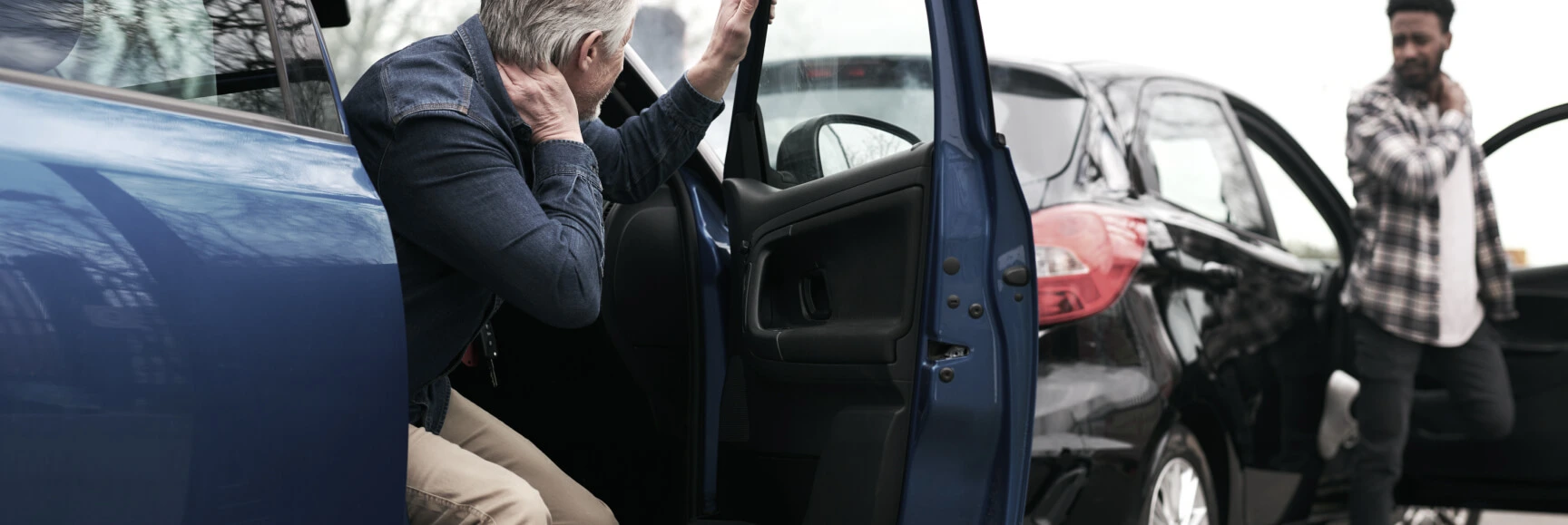
Recovering from a serious crash can feel overwhelming, but the first hours and days matter. Knowing how to document injuries after a car accident helps protect your claim by creating organized records of what happened, how you were hurt, and how the injury affected your life.
For drivers and passengers across California, careful documentation can make conversations with adjusters, doctors, and attorneys clearer. Whether the crash happened on the 101 or at a busy Central Valley intersection, consistent records can strengthen your insurance claim file from the start.
The First Steps to Take When Documenting Your Injuries on California Roads
After a collision, start collecting proof once everyone is safe and emergency services have been called. Take wide-angle and close-up accident scene photos of vehicle positions, traffic signals, skid marks, visible damage, and road conditions.
Understanding what to do after a car accident on California roads helps you preserve details you may need later. Gather contact information from drivers, passengers, and witnesses, save brief witness statements when possible, and request the police report number if officers respond.
The Types of Evidence That Strengthen Your Claim and Protect Your Recovery
Strong claims rely on layered, consistent proof. If you are wondering what evidence you need for injury claim purposes, useful evidence after a car accident may include:
- Accident scene photos, visible injuries, and vehicle damage
- Dash-cam footage, surveillance video, and electronic vehicle data
- The police report, repair estimates, and witness statements
- Medical records for injury claim review, treatment records, and bills
- Pay stubs or other proof of missed work
- Damaged clothing or personal items connected to the crash
These personal injury evidence examples help support documentation consistency and strengthen your insurance claim file. In some situations, a California car accident attorney may also help preserve claim support materials that can disappear quickly, such as surveillance footage or witness accounts.
Why Consistent Medical Records Matter When You Document Injuries After a Car Accident
Medical documentation is central to an injury case in California. Seeing a doctor right away helps protect your health and creates treatment records that connect your pain to the crash. Save all medical records for injury claim review, including discharge papers, imaging results, referrals, bills, and physical therapy notes.
Follow every appointment and specialist referral to avoid gaps that insurers may question. The CDC on motor vehicle injury prevention notes that crash-related injuries can develop or worsen after impact, which makes documenting injuries for insurance claim purposes important from the start.
Tracking Your Symptoms and Injury Progression Over Time
Recovery can change from day to day, so a pain journal helps create a clear injury timeline. Record your pain level, daily limitations, sleep quality, medications, and any new symptoms.
Take updated photos of bruising, swelling, scarring, or other visible changes to show injury progression.
These details can help a California personal injury attorney understand how the crash affected your routine, work, and family responsibilities without pulling readers away from the main documentation steps.
Common Mistakes That Can Hurt Your Effort to Document Your Injuries
Even careful people can make documentation mistakes after a crash. Inconsistent details, missed follow-up appointments, social media posts that conflict with reported pain, and throwing away damaged items too soon can all weaken documentation consistency and the insurance claim file.
Evidence preservation also means saving voicemails, emails, and text messages from insurers. The California Highway Patrol’s collision reporting page explains how to obtain official reports, which should be requested promptly while records are still fresh.
How Insurance Companies Review Your Documentation
Insurance adjusters are trained to look for reasons to reduce or deny payouts. Your insurance claim file will be reviewed for inconsistencies, gaps in treatment, missing wage information, and statements that can be interpreted against you. Adjusters compare hospital intake forms with later doctors’ notes, scan public social media, and sometimes request independent medical examinations.
Organized records make their scrutiny harder to weaponize. Keep digital and physical folders separated by category: medical, vehicle, communications, and lost income, and store backups in cloud storage. The work feels tedious in the moment, but it pays off the day negotiations begin.
How Proper Documentation Affects the Outcome of Your Claim
Clear Records Can Help Prove Fault and Injury
California’s comparative fault system can reduce recovery based on each party’s share of responsibility. Detailed claim support materials help show how the crash happened and how to prove injury after the accident by aligning the police report, photos, medical records, and your personal account.
Organized Files Help Protect Important Deadlines
Strong documentation also matters because California personal injury claims generally have a two-year statute of limitations. Organized files help your legal team act quickly and keep evidence after a car accident easy to review.
Thorough Documentation Can Strengthen Claim Review
Federal information in the NHTSA traffic safety research library shows how documentation patterns affect claim review nationwide. The more complete your insurance claim file is, the less room an insurer may have to discount your injuries or dispute what happened.
What to Do When Your Documentation Has Gaps or Missing Records
Not everyone has the foresight or physical ability to document everything from the start, especially after a serious crash that requires hospitalization or surgery. If you are only now learning how to document injuries after an accident, do not panic; there are still meaningful ways to recover. Request copies of the police report, hospital records, and any 911 audio that may still exist.
Reach out to witnesses while their memories are reasonably fresh, and begin a pain journal today, dated honestly to reflect your current symptoms rather than backdating anything.
Useful injury claim documentation tips include writing a detailed narrative of what you remember about the day of the accident and gathering any photos that friends or family may have taken. A Fresno car accident lawyer at our firm can help identify which records still exist, request what is missing through subpoenas, and bring in accident reconstruction professionals when needed to rebuild the timeline of events.
California Injury Documentation FAQ
Questions about how to document injuries after a car accident come up at every stage of the claims process. The answers below address the issues we hear most often from people across the state.
What evidence should you collect after a car accident?
A practical accident documentation checklist includes scene photos, contact information for all involved parties and witnesses, the police report number, medical paperwork, your written account of what happened, and ongoing notes about your symptoms. Keep everything in one organized folder that you can access easily during conversations with adjusters or attorneys.
How soon should you document injuries after an accident?
The sooner, the better. Visible injuries should be photographed within hours, and a medical evaluation should happen the same day whenever possible. Early records create the clearest connection between the crash and your physical condition, leaving less room for an insurer to argue the two are unrelated.
Can photos and notes help prove your injuries?
Yes. Photos of injuries after an accident impact often show what charts cannot, the size, color, and location of bruises, swelling, or scarring as they change over time. Combined with daily notes about pain levels and limitations, they paint a complete picture that medical jargon alone cannot match.
What medical records are important for a claim?
Emergency room reports, primary care notes, specialist evaluations, imaging results, surgical records, prescriptions, and physical therapy progress notes all matter. Keeping records after accident appointments helps your case remain accurate and persuasive from the first call with an insurance adjuster through any potential settlement or trial.
What happens if you do not document your injuries properly?
Insurance companies may argue your injuries were less severe than claimed or unrelated to the crash entirely. This often leads to lower settlement offers or outright denials. Solid records, organized from the start, protect you from these outcomes and give your case the credibility it deserves.
Speak with the Singh Ahluwalia Attorneys at Law Team About Your Claim
If you were hurt in a crash in California, the records you keep now can shape your recovery and strengthen your claim support materials. Singh Ahluwalia Attorneys at Law helps clients organize evidence after a car accident, review medical documentation, and communicate with insurers.
To discuss your situation, call (559) 878-4958 or reach out. Our team can review the records you already have and explain how strong documentation may support your case.